Sign up now to unlock Rewards offers.
Free standard next‑day delivery to most UK areas

Ceramic Basin vs Marble Basin Durability and Style
Ceramic Basin vs Marble Basin Durability and Style Compare maintenance cost installation and design to choose the right bathroom basin for your space
Understanding Ceramic and Marble Basins
Choosing the ideal washbasin requires balancing engineering performance with architectural beauty. In modern bathroom design, ceramic and marble represent two premier material categories, each delivering distinct tactile, structural, and aesthetic characteristics.
What Is a Ceramic Basin?
A ceramic basin is an engineered sanitary fixture crafted from a blend of refined clays, kaolin, quartz, and feldspar. Shaped under extreme pressure and fired in kilns at temperatures exceeding 1,200°C, these units are finished with a vitrified enamel coating.
- Material Core: Vitreous china or dense fine fireclay.
- Surface Finish: Ultra-smooth, non-porous liquid glass glaze.
- Typical Applications: High-traffic family bathrooms, modern cloakrooms, and standard bathroom vanity installations.
What Is a Marble Basin?
A marble basin is an organic, high-end fixture sculpted directly from quarried metamorphic rock or precision-molded as engineered cast marble. Characterized by distinctive natural veining, mineral crystallization, and substantial weight, a stone washbasin offers a bespoke, sculptural presence where no two units are identical.
- Material Core: Calcite-rich natural stone formed under geological heat and pressure.
- Surface Finish: Honed (matte) or polished to a subtle sheen, requiring specialized protective sealants.
- Typical Applications: Master ensuites, boutique hotels, and luxury statement powder rooms.
Key Material Properties and Manufacturing
Understanding how these materials are manufactured reveals how they perform over years of daily exposure to water and toiletries:
| Property | Ceramic Basins | Natural Marble Basins |
|---|---|---|
| Raw Material | Kaolin clay, minerals, and feldspar | Metamorphic crystallized limestone |
| Manufacturing Method | Mold-cast, glazed, and high-heat kiln-fired | Precision carved from solid blocks or composite-cast |
| Porosity & Water Absorption | Virtually zero (<0.5%), fully vitrified | Naturally porous; requires periodic surface sealing |
| Surface Uniformity | Flawless, consistent, and uniform finish | Organic variation, unique fissures, and veining |
| Structural Density | Lightweight to medium; high surface hardness | Heavy, dense, and structurally rigid |
Style and Aesthetics: Comparing Visual Appeal
When evaluating a ceramic basin vs marble basin for durability and style, visual impact sets the foundation of your space. The washbasin functions as the natural focal point of any bathroom vanity, setting an immediate design tone through its texture, light reflection, and surface character.
The Luxurious and Unique Veining of Marble
A natural stone washbasin introduces an organic, high-end feel that manufactured materials cannot fully replicate. Every block of carved marble or premium cast marble features distinctive organic patterns.
- Bespoke Patterns: No two installations share the exact same veining, making each piece entirely one-of-a-kind.
- Tactile Richness: The natural stone surface delivers an authentic weight and grounding visual presence.
- Refined Finishes: Available in honed matte for an understated architectural look, or polished gloss for deep, dramatic light reflection.
The Clean, Timeless Versatility of Ceramic
A ceramic porcelain sink delivers an architectural simplicity that never dates. Coated in a vitrified enamel coating, ceramic reflects light evenly and maintains an immaculate finish across decades of use.
- Crisp Geometry: High-heat manufacturing allows for razor-thin rims, soft radii, and precise vessel bowl designs.
- Uniform Color: Unlike stone, high-grade ceramic guarantees pure, consistent white or deep matte black tones across batches.
- Visual Lightness: Ceramic provides a lighter, airier look that prevents compact vanity counters from feeling crowded.
Matching Your Bathroom Interior Design Style
Selecting between these two finishes comes down to the aesthetic balance of your overall bathroom suite:
- Minimalist & Contemporary: Ceramic pairs effortlessly with monochromatic palettes, floating vanities, and clean chrome or matte black hardware.
- Classic Luxury & Boutique Spa: Marble excels in master ensuites alongside brushed brass fixtures, rich timber finishes, and statement wall textures.
- Traditional & Transitional: Glazed ceramic suits period renovations, while softer, neutral-veined marble blends seamlessly into an elegant country-style bathroom design.
To ensure your basin integrates cleanly into your floor plan, carefully check how to choose the right bathroom basin size and tap hole configuration before settling on a specific profile.
Durability and Longevity: Which Material Lasts Longer?
When evaluating a ceramic basin vs marble basin for long-term use, physical durability comes down to how each material reacts to everyday wear, moisture, and accidental impacts. Both materials offer impressive lifespans, but their structural compositions handle daily bathroom routines differently.
Scratch and Chip Resistance
- Ceramic Basins: The hardened glaze and protective enamel coating on vitreous ceramic provide exceptional scratch resistance. Everyday items like keys, metal jewelry, and rough-bottomed toiletries slide across the surface without leaving marks. However, the glass-like surface is brittle; dropping a heavy glass perfume bottle or metal tool can chip the edge.
- Marble Basins: As a softer natural stone, marble has lower scratch resistance than glazed ceramic. Everyday debris or gritty cleaners can cause micro-scratches and dull the finish over time. The advantage of a solid stone washbasin, however, is that superficial scuffs and shallow chips can often be honed, filled, and polished out by hand, whereas chipped ceramic glaze cannot be seamlessly repaired.
Porosity, Moisture, and Stain Resistance
- Ceramic Basins: Thanks to the high-temperature firing process, ceramic features a non-porous surface with near-zero water absorption. It effortlessly resists staining from hair dyes, colored soaps, makeup, and mouthwash without requiring topical sealants.
- Marble Basins: Marble is inherently a porous surface with natural capillary veins. Unsealed or poorly maintained marble quickly absorbs sitting water, dark cosmetics, and acidic bathroom products, which lead to permanent stains and surface etching. To protect natural stone, consult ourcomprehensive wash basin guide on materials and care to establish an effective sealing schedule.
Heat and Impact Tolerance
- Heat Tolerance: Ceramic easily withstands direct contact with hot water and styling tools without warping or cracking. Marble also handles typical bathroom temperatures well, though extreme, sudden thermal shock can stress natural fissure lines within the slab.
- Structural Impact: Solid marble features immense density and structural mass, preventing the basin from cracking under standard pressure. Ceramic sinks, while rigid and resilient against steady weight, are more prone to spiderweb cracks if struck forcefully by a heavy, dense object.
Maintenance and Everyday Care Requirements
Daily upkeep is where the real practical difference between a ceramic basin and a marble basin shows up. While both deliver premium style, their surface chemistry determines how much time you will spend cleaning and protecting them.
| Maintenance Factor | Glazed Ceramic Basin | Natural Marble Basin |
|---|---|---|
| Daily Cleaning | Standard bathroom spray and microfiber cloth | pH-neutral stone cleaner and soft sponge |
| Sealing Needed | None (impermeable surface) | Every 6 to 12 months |
| Chemical Resistance | High (handles bleach, acids, and dyes) | Low (acidic liquids cause etching) |
| Stain Resistance | Superior stain resistance | Vulnerable if unsealed |
| Routine Effort | Low / Fit-and-forget | Moderate to High |
Cleaning and Sealing Natural Marble
Natural marble features a porous surface that absorbs standing liquids if left unprotected. We always advise treating a marble basin or a solid stone resin pedestal basin round freestanding bathroom sink with the proper care routine to preserve its natural beauty:
- Apply a Penetrating Sealer: Reseal the stone every 6 to 12 months to block water absorption and shield against deep-set oils.
- Use pH-Neutral Cleaners: Clean daily with warm water, mild soap, or specialized stone cleansers. Never use generic acidic cleaners or citrus-based formulas.
- Dry After Use: Wipe away pooled water with a soft microfiber cloth to prevent mineral deposits and water spotting.
Hassle-Free Upkeep of Glazed Ceramic
A glazed ceramic basin is engineered for pure convenience. During manufacturing, the raw clay body is fused with a liquid glass enamel coating under extreme heat, creating an impermeable barrier.
- Wipe-and-Go Routine: Everyday grime, toothpaste splatters, and soap residue wipe away instantly with basic household cleaners.
- Zero Sealing Costs: The hard vitreous finish never requires chemical sealants, polishes, or surface restoration.
- Limescale Resilience: Hard water deposits do not penetrate the glaze and wash away without damaging the underlying ceramic.
Preventing Discoloration and Etching
Etching is a chemical reaction that occurs when acidic compounds dissolve the calcium carbonate in natural stone, leaving behind dull, cloudy rings. Common bathroom items like whitening toothpaste, mouthwash, perfumes, and facial peels will dull polished marble within minutes. To prevent permanent marks:
- Rinse down the marble basin immediately if cosmetic products spill onto the bowl.
- Avoid abrasive scouring pads that leave micro-scratches on both natural stone and polished coatings.
- Choose glazed ceramic if you prefer a worry-free basin that tolerates hair dyes, strong disinfectants, and everyday bathroom products without staining.
Cost, Weight, and Installation Considerations
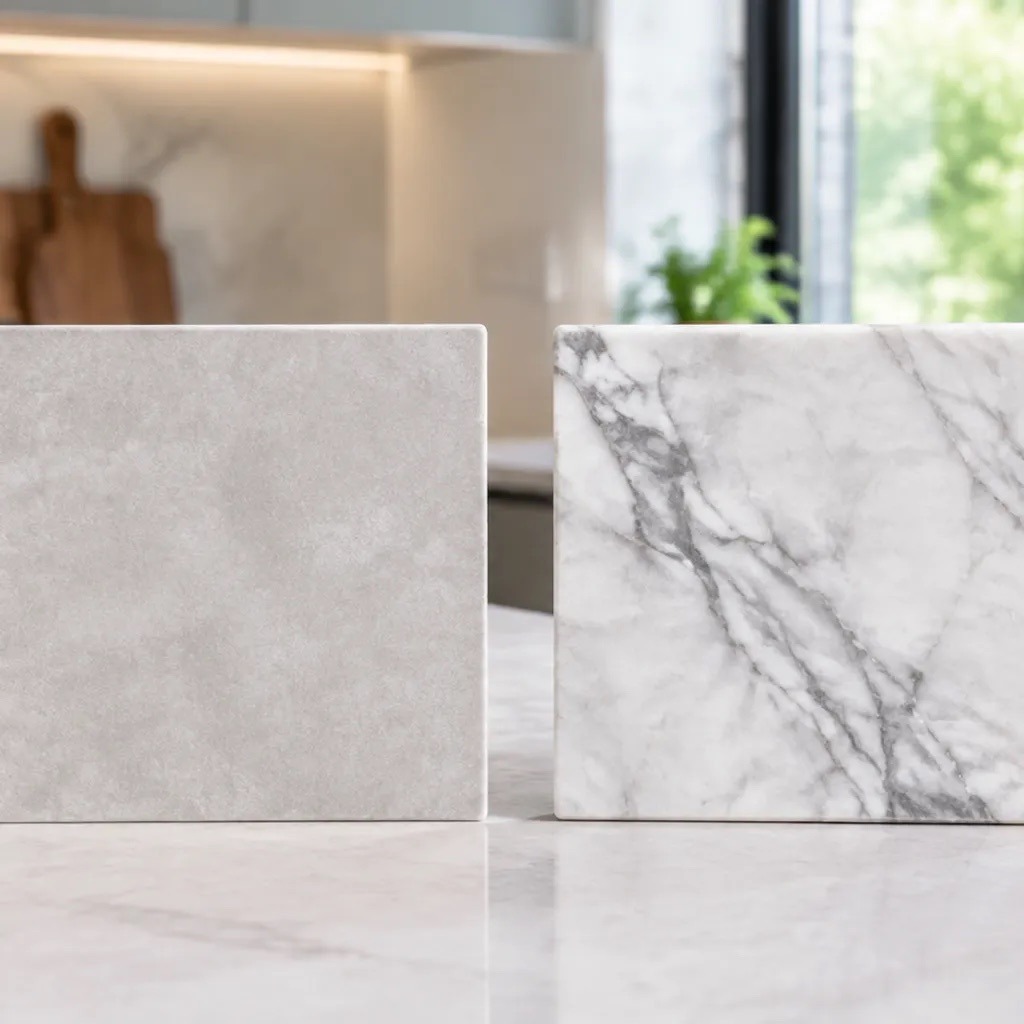
When choosing between a ceramic basin and a marble basin, the buying process goes beyond surface aesthetics. Balancing upfront costs, structural load requirements, and labor expenses ensures your bathroom renovation stays on track and within budget.
| Consideration | Ceramic Basin | Marble Basin |
|---|---|---|
| Initial Cost | Accessible to mid-range | Premium luxury tier |
| Ongoing Upkeep | Minimal to none | Regular sealing products |
| Material Weight | Light to moderate | Heavy, dense natural stone |
| Support Needed | Standard vanity units / walls | Reinforced cabinetry or masonry |
| Installation Labor | Straightforward plumbing fitting | Specialized handling / masonry work |
Initial Purchase Price vs. Long-Term Value
Ceramic basins provide exceptional cost efficiency. Because ceramic manufacturing relies on streamlined firing and glazing processes, these fixtures offer high durability at an accessible price point. They deliver dependable day-to-day resilience without demanding specialized cleaning products or routine treatments.
Natural marble basins sit at the premium end of the spectrum. Sourced from natural stone quarries and cut individually, marble carries a higher initial purchase price that reflects its organic uniqueness. Long-term value depends directly on maintenance: regular sealing protects your investment against staining and surface degradation, keeping the fixture pristine for years to come.
Weight Differences and Countertop Support
Weight is a decisive technical factor when planning your vanity layout:
- Ceramic: Standard ceramic sinks are light to moderate in weight. They mount securely on conventional cabinetry, floating countertops, and standard drywall with basic timber studs.
- Marble: Solid stone washbasins are significantly heavier. A thick marble basin demands a sturdy, reinforced base to prevent countertop deflection or joint separation over time.
Before finalizing your setup, assess the structural integrity of your wall or furniture. Exploring different configurations across bathroom basins wall-hung countertop and undermount formats helps ensure your chosen mounting method safely carries the load of your selected material.
Installation Complexity and Labor Costs
Installing a ceramic basin is straightforward. Because ceramic adheres to standardized sizing, pre-drilled tap holes, and uniform waste outlets, general plumbers can fit them quickly, keeping installation labor costs low.
Marble requires specialized handling during installation: Handling caution: Natural stone edges can chip if dropped or knocked against tools during alignment. Precision cutting: Altering tap holes or waste openings on-site requires diamond-tipped drills and masonry experience to avoid fracturing the slab. Sealing on install: Professional installers must apply an initial penetrating sealant immediately after installation to protect the porous stone from construction dust and plumbing compounds.
These requirements mean fitting a marble basin often involves higher labor fees and skilled trade specialists compared to standard ceramic installations.
Pros and Cons of Ceramic vs. Marble Basins
Choosing between these two materials comes down to balancing practical daily performance against architectural luxury. Here is how both options stack up when evaluating everyday functionality alongside design value.
Advantages and Disadvantages of Ceramic Basins
A glazed ceramic basin remains the industry benchmark for high-traffic environments due to its resilient finish and low upkeep.
Advantages: Superior Stain Resistance: The smooth enamel coating creates a non-porous barrier that repels toothpaste, soaps, and cosmetic dyes effortlessly. Low Maintenance: Requires no protective sealing or specialized cleaning chemicals; everyday wiping keeps the surface clean. High Scratch Resistance: Fired at extreme temperatures, the vitreous glaze resists micro-abrasions from daily washing routines. Cost-Effective Design: High-grade ceramic basins deliver exceptional durability at a more accessible investment level across standard and bespoke bathroom vanity units.
Disadvantages: Standardized Appearance: While sleek, ceramic lacks the organic, one-of-a-kind veining found in raw mineral slabs. Brittle Under Heavy Impact: Dropping heavy metal or glass items can cause edge chipping that is difficult to repair seamlessly.
Advantages and Disadvantages of Marble Basins
A natural stone washbasin acts as an unmistakable centerpiece, offering tactile richness that synthetic or fired alternatives cannot duplicate.
Advantages: Unrivaled Aesthetic Appeal: Every piece cut from natural stone displays unique veining, depth, and tonal character. Premium Property Value: Elevates master ensuites and luxury powder rooms with an immediate high-end focal point. Solid Structural Density: Solid stone resists bending or flexing, giving the entire wash area a grounded, permanent feel.
Disadvantages: Porous Surface Vulnerability: Natural marble has micro-pores that absorb pooling liquids, requiring routine chemical sealing to prevent watermarks. Risk of Acid Etching: Perfumes, citrus-based soaps, and acidic cleansers can react with the calcium carbonate, dulling the polished sheen. Substantial Weight: Requires reinforced countertop support and sturdy wall anchors to manage the structural load safely.
Which Basin Material Is Right for Your Bathroom?
Settling the debate between a ceramic basin and a marble basin comes down to how you balance daily practicality with your personal design goals. Both materials deliver reliable performance when matched with the right environment, but their durability profiles, maintenance requirements, and visual signatures cater to distinctly different priorities.
When to Choose a Ceramic Basin
A ceramic basin is the optimal choice for active households and high-traffic spaces where convenience, hygiene, and resilience take precedence.
- High-Traffic Family Bathrooms: The non-porous vitreous glaze resists toothpaste spills, soaps, and daily impact without staining or dulling.
- Low-Maintenance Lifestyles: Ceramic requires no sealing, conditioning, or specialized pH-neutral cleaners—standard wipe-downs keep it spotless.
- Space-Saving Configurations: Due to its manageable weight and structural integrity, ceramic works across diverse mounting layouts, including space-efficient wall hung ceramic basins.
- Budget-Conscious Renovations: Ceramic offers exceptional longevity and clean style at an accessible initial cost.
When to Choose a Marble Basin
A marble basin is designed for spaces where architectural impact, natural texture, and bespoke luxury are the primary objectives.
- Master Ensuites and Powder Rooms: Natural stone or cast marble turns the vanity area into an immediate visual centerpiece.
- One-of-a-Kind Aesthetics: Because no two stone slabs feature identical veining, a marble washbasin delivers a customized, high-end finish that cannot be replicated by factory glazes.
- Tactile Luxury: The organic cool touch and substantial density of stone create an elevated sensory experience.
- Dedicated Upkeep Environments: Marble thrives in low-impact or guest-focused spaces where regular sealing and gentle cleaning routines are easy to maintain.
Key Factors to Consider Before Making a Decision
Before committing to a final basin material, review how each option aligns with your renovation parameters:
| Factor | Ceramic Basin | Marble Basin |
|---|---|---|
| Durability Profile | High scratch, chip, and chemical resistance | Strong structural density; susceptible to acid etching |
| Porosity & Water Absorption | Non-porous vitreous surface | Naturally porous; requires regular protective sealing |
| Maintenance Demands | Minimal; standard household bathroom cleaners | Moderate to high; requires pH-neutral cleaners |
| Aesthetic Value | Uniform, clean, timeless, and versatile | Organic, unique veining, bespoke luxury |
| Weight & Support | Lightweight to moderate; standard wall or counter mounting | Heavy; requires reinforced vanities and countertops |
To finalize your layout, assess these structural and operational priorities:
- Daily Footfall: High-traffic family zones favor the resilience of ceramic, while low-traffic showcase baths allow marble to shine.
- Installation Support: Verify whether your cabinetry and wall structure can support heavy stone, especially when deciding between a countertop vs wall hung basin setup.
- Cleaning Commitment: Choose ceramic if you prefer a scrub-and-go routine; choose marble if you are comfortable applying periodic stone sealants.
- Design Longevity: Ceramic delivers an understated backdrop that outlasts shifting trends, while marble serves as a bold, organic statement piece.
Durovin Bathrooms are based in Walsall, UK and a bathroom supplier to mainland UK. We sell a wide range of products for anyone to improve their bathrooms.
Read More About UsAddress
Unit 14 Bentley Lane Industrial Park, Bentley Lane, Walsall, WS2 8TL
E-Mail us
info@durovinbathrooms.co.ukPhone
01922 627 773© Durovin Bathrooms® 2025