Sign up now to unlock Rewards offers.
Free standard next‑day delivery to most UK areas

Stone Vessel Sink Guide Benefits Types Installation Care
Stone Vessel Sink Complete Guide to styles materials selection installation care durability and maintenance for a beautiful bathroom upgrade
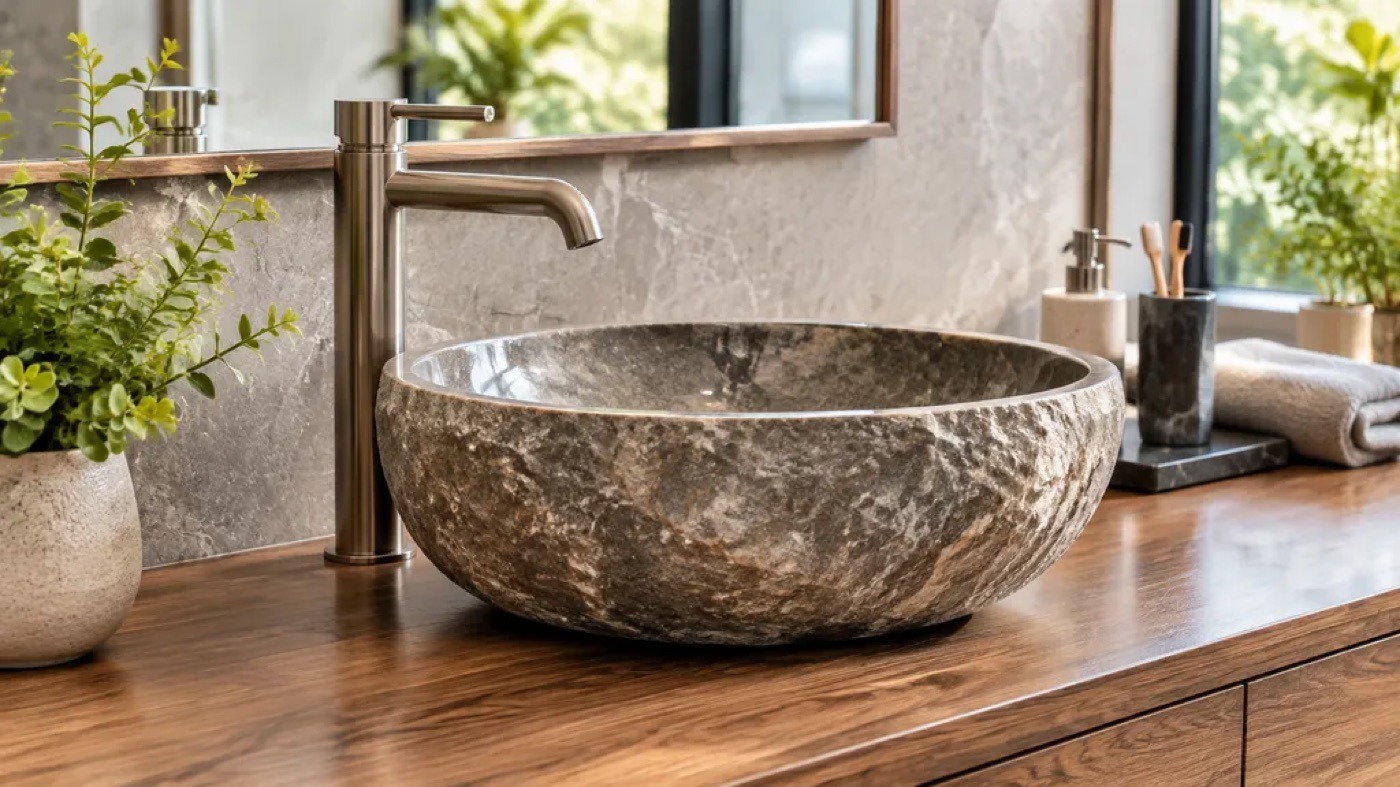
Are you looking to transform your bathroom into a luxury retreat but feeling overwhelmed by the endless design choices?
Choosing the right focal point for your vanity is critical, and a Stone Vessel Sink is often the difference between a standard room and a true design statement. As an interior design enthusiast, I’ve seen how these pieces elevate a space, but I also know that natural materials require specific care to remain stunning.
In this Stone Vessel Sink: A Complete Guide, I’m going to walk you through everything you need to know—from selecting the perfect material and shape to mastering the installation and long-term maintenance. If you want a bathroom that feels like a high-end spa while standing the test of time, this guide is for you.
Let’s dive in.
What is a Stone Vessel Sink?
Defining the Vessel Sink Style
A vessel sink, or countertop basin, is a fixture that sits entirely above the vanity surface rather than being recessed into it. This design style transforms the basin from a purely functional utility into a central design feature of the modern bathroom. By elevating the basin, the vessel style creates a striking architectural focal point, offering a minimalist yet sophisticated aesthetic that complements contemporary bathroom suites.
The Unique Appeal of Natural Stone
Choosing a stone vessel sink introduces raw, organic beauty into the bathroom environment. Unlike standard ceramic models, stone sinks offer unique textural qualities, weight, and visual depth. Every piece carries the distinctive character of natural materials, ensuring that no two basins are exactly alike. When paired with high-end brassware, a stone vessel sink serves as a testament to luxury design, providing both a tactile experience and a durable, long-lasting surface that anchors the entire room.
Why Choose a Natural Stone Vessel Sink?
Aesthetic Benefits and Bathroom Design
A stone vessel sink acts as an immediate focal point, elevating a standard bathroom into a high-end, designer retreat. Whether you prefer a rustic charm or a sleek, minimalist vibe, the tactile quality of a stone basin adds depth and character to your bathroom vanity. By opting for a freestanding bathroom sink, you embrace a modern silhouette that defines luxury.
Durability and Longevity
Natural stone and advanced stone-composite materials are engineered for the rigors of daily use. Unlike standard porcelain, these basins are highly resistant to impact and thermal shock. When you choose a quality vessel sink, you are investing in a fixture designed to maintain its structural integrity for years, backed by the confidence of a long-term warranty.
The Distinctive Nature of Stone Materials
Every piece of natural stone carries unique veining and color patterns, ensuring your sink is truly one-of-a-kind. Unlike mass-produced ceramic items, stone offers a weight and finish that feels premium under the touch.
| Feature | Benefit |
|---|---|
| Aesthetics | Unique, high-end focal point |
| Durability | Resistant to chips and cracks |
| Texture | Sophisticated, natural feel |
| Design | Complements modern and traditional suites |
For those exploring the balance between form and function, our stone resin pedestal basins represent the pinnacle of our design philosophy, merging robust material quality with timeless artistic appeal.
Popular Types of Natural Stone for Sinks
Selecting the right material for your stone vessel sink defines the character of your bathroom. Each natural stone offers unique textures and performance characteristics that serve as a stunning focal point. For those interested in the aesthetic potential of these materials, you can explore our stone resin pedestal freestanding round wash basinto see how these finishes elevate a space.
Marble and Granite Options
Marble provides a sophisticated, timeless look with its signature veining, while granite is prized for its extreme density and resistance to daily wear.
| Stone Type | Key Characteristic | Best For |
|---|---|---|
| Marble | Elegant veining patterns | Luxury master bathrooms |
| Granite | Highly durable and non-porous | High-traffic family bathrooms |
Travertine, Onyx, and Basalt
These materials offer distinct textures, ranging from the rustic charm of travertine to the translucent beauty of onyx.
- Travertine: Features natural pitting that adds a warm, organic texture to your vanity.
- Onyx: Provides a semi-precious, glowing aesthetic often used as a centerpiece fixture.
- Basalt: Offers a dark, modern, and minimalist appearance with exceptional heat retention.
Key Factors When Selecting Your Stone Vessel Sink
Considering Shape, Size, and Texture
Choosing the right stone vessel sink begins with understanding your bathroom layout. From minimalist circular bowls to bold, rectangular basins, the silhouette defines the room’s character. When selecting a piece, prioritize scale; ensure the basin size complements your bathroom vanity without overwhelming the countertop surface. Texture also plays a vital role in design, as a honed or polished finish can drastically alter how light interacts with the natural stone, creating either a soft, organic look or a sharp, high-end focal point.
Color Variations and Natural Veining
One of the greatest advantages of using stone is that no two sinks are identical. Natural veining, mineral deposits, and subtle shifts in color make every unit a bespoke work of art. When browsing our collection, appreciate these inherent variations as hallmarks of quality rather than imperfections. These distinct patterns bring warmth and a sense of luxury to modern bathroom design, ensuring your choice stands out as a unique architectural element within your home.
Matching Faucet and Countertop Height
The functionality of your sink depends on the precise alignment of your hardware. Because stone vessel sinks sit above the counter, standard low-profile taps are often unsuitable. You will generally need a high-rise basin mixer, such as our single lever chrome faucet, to ensure adequate clearance over the rim. Always measure the height of the basin wall against the reach of your faucet spout to prevent splashing and ensure ergonomic comfort. Additionally, coordinate your vanity height to account for the thickness of the stone, keeping the overall rim at a comfortable level for daily use.
Installation Guide for Stone Vessel Sinks
Preparing the Countertop and Plumbing
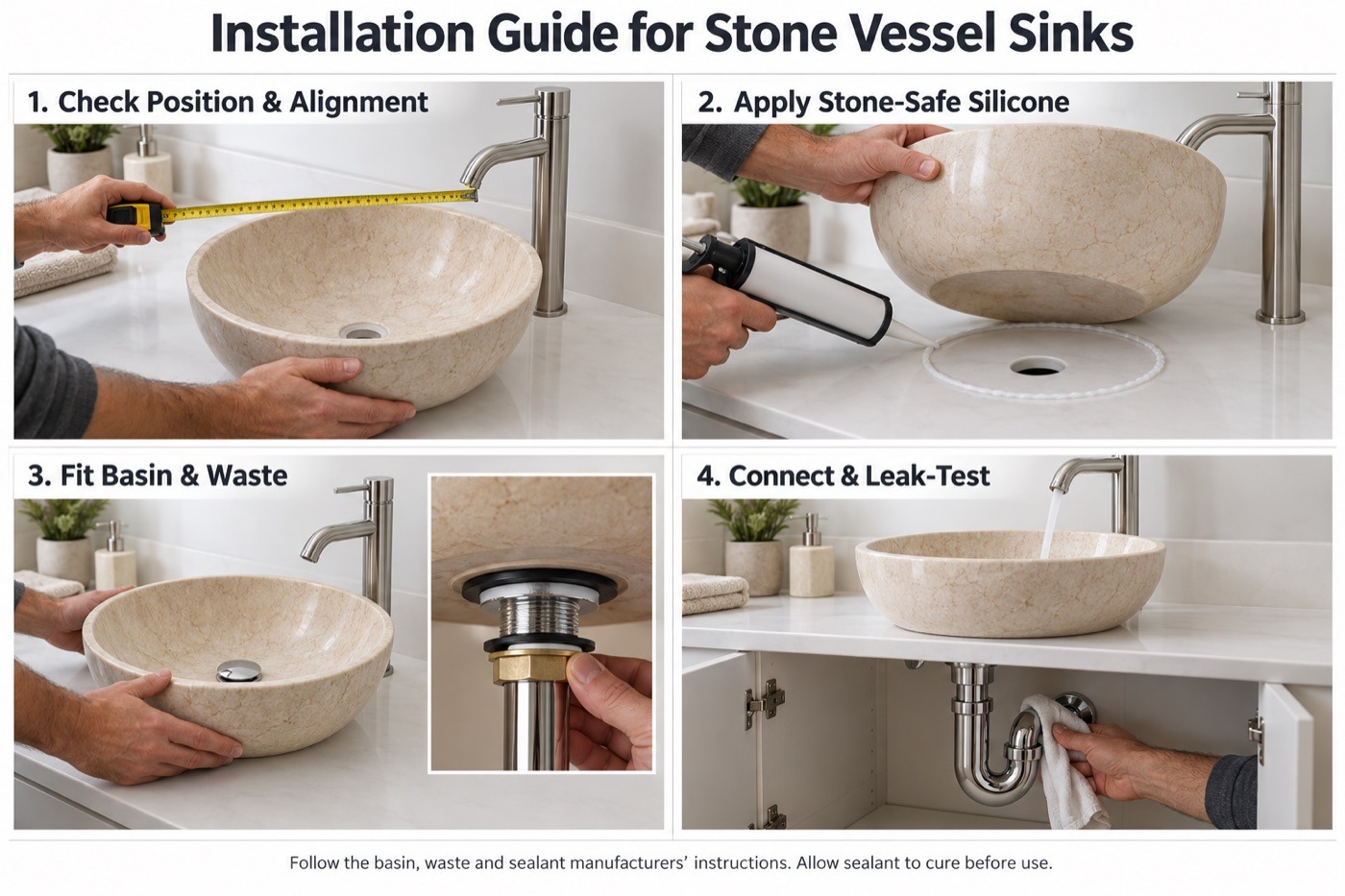
Before mounting your stone vessel sink, precision is essential. Ensure your vanity unit or bathroom vanity is structurally sound, as stone composites and natural stone carry significant weight. You must cut a precise hole for the drain assembly, ensuring the countertop is perfectly level to prevent water pooling. Plan your plumbing layout carefully; because these basins sit atop the surface, you must confirm that your waste pipes align with the vessel sink installation point. Refer to ourcomprehensive wash basin guideto understand the requirements for pipe placement and surface preparation.
Mounting Techniques and Hardware
To secure the sink, apply a high-quality, clear silicone sealant around the base where the vessel meets the countertop. This creates a watertight barrier that prevents moisture from seeping beneath the basin. Avoid over-tightening the drain hardware, as stone can be susceptible to stress fractures if subjected to excessive pressure. Using a rubber washer between the drain flange and the stone surface is a critical step to distribute weight evenly and protect the integrity of the finish. Always ensure that the mounting hardware is compatible with the thickness of your basin.
Ensuring Proper Drainage
Proper drainage is the final, vital step for any countertop basin. Because many vessel sinks are "no-overflow" models, you must use an unslotted basin waste to ensure water flows away efficiently without causing a backup. Check that the waste assembly is flush with the bottom of the bowl to eliminate standing water. If your setup requires a specific faucet height to avoid splashing, adjust the positioning accordingly so that the water stream lands directly into the drain or the deepest part of the bowl. For guidance on achieving the correct configuration, see our advice on bathroom basin size and tap hole placement.
Maintenance and Care for Long-Term Beauty
Keeping your stone vessel sink in peak condition requires a consistent approach to cleaning and protection. Because natural stone is a premium material, investing a small amount of effort in daily maintenance ensures your centerpiece remains a focal point of the bathroom for years to come.
Daily Cleaning Practices
For daily upkeep, simplicity is key. Use a soft, non-abrasive cloth or sponge with a mild soap solution or a dedicated pH-neutral stone cleaner. Avoid scouring pads or harsh scrubbing brushes that can compromise the surface finish. After each use, wipe the basin dry to prevent water spotting and mineral buildup, particularly in hard water areas.
The Importance of Periodic Sealing
Natural stone is inherently porous. To maintain its longevity and resistance to moisture and staining, periodic sealing is essential. I recommend applying a high-quality stone sealer every 6 to 12 months, depending on usage. This creates a protective barrier that prevents liquids from penetrating the surface, maintaining the integrity of the material and keeping the finish looking as crisp as the day it was installed.
Avoiding Harsh Chemicals and Damage
The beauty of a stone basin can be easily marred by improper chemical exposure. To preserve the surface: Avoid Acidic Cleaners: Never use vinegar, lemon juice, or abrasive bathroom cleaners containing bleach or ammonia. These can etch the stone and strip away its natural luster. Be Mindful of Cosmetics: Certain heavy-duty bathroom cleaners or concentrated chemical dyes in toiletries can cause discoloration. If accidental spills occur, rinse the surface immediately with plenty of water. Prevent Physical Impact: While stone is durable, avoid dropping heavy items into the bowl to prevent chipping or cracking.
By adhering to these simple care routines, you protect your countertop basinfrom long-term wear and ensure it continues to provide a sophisticated aesthetic to your modern bathroom design.
Frequently Asked Questions
Are stone vessel sinks difficult to maintain?
Not at all, as long as you stick to basic care. Daily cleaning takes nothing more than warm water, mild dish soap, and a soft microfiber cloth to wipe away water spots. The main rule is to avoid harsh chemical cleaners, bleach, and abrasive scouring pads that strip away protective finishes. When comparing aceramic basin vs stone basin,quality stone-composite and sealed natural stone basins are non-porous and resilient. Applying a stone sealant once a year on porous stone ensures long-term resistance to water stains and mineral build-up.
How do you prevent splashing in vessel sinks?
Eliminating splashing comes down to choosing the right hardware pairing and water alignment:
- Match the Faucet Height: Use a high-rise mixer or wall-mounted tap that clears the sink rim by 4 to 6 inches, giving your hands enough space without creating an excessive drop.
- Align the Water Stream: Aim the spout directly toward the center or drain area rather than the sloping sidewalls of the bowl.
- Adjust Water Pressure: Turn down the isolation valves under the vanity if your home’s water pressure pushes the flow too aggressively.
Is professional installation required for stone sinks?
While a straightforward countertop vessel installation can be completed by confident DIYers, hiring a qualified plumber is the best move. Stone basins carry considerable weight and require exact countertop cutouts for the waste outlet. A professional ensures the drain connects smoothly to the trap, guarantees watertight silicone application around the base, and prevents over-tightening the unslotted waste fitting, which can otherwise crack the stone structure.
Durovin Bathrooms are based in Walsall, UK and a bathroom supplier to mainland UK. We sell a wide range of products for anyone to improve their bathrooms.
Read More About UsAddress
Unit 14 Bentley Lane Industrial Park, Bentley Lane, Walsall, WS2 8TL
E-Mail us
info@durovinbathrooms.co.ukPhone
01922 627 773© Durovin Bathrooms® 2025