Sign up now to unlock Rewards offers.
Free standard next‑day delivery to most UK areas
Natural Stone Basin Types Benefits and Care Guide
Explore natural stone basin types benefits durability styles maintenance and care tips to choose the perfect basin for your bathroom
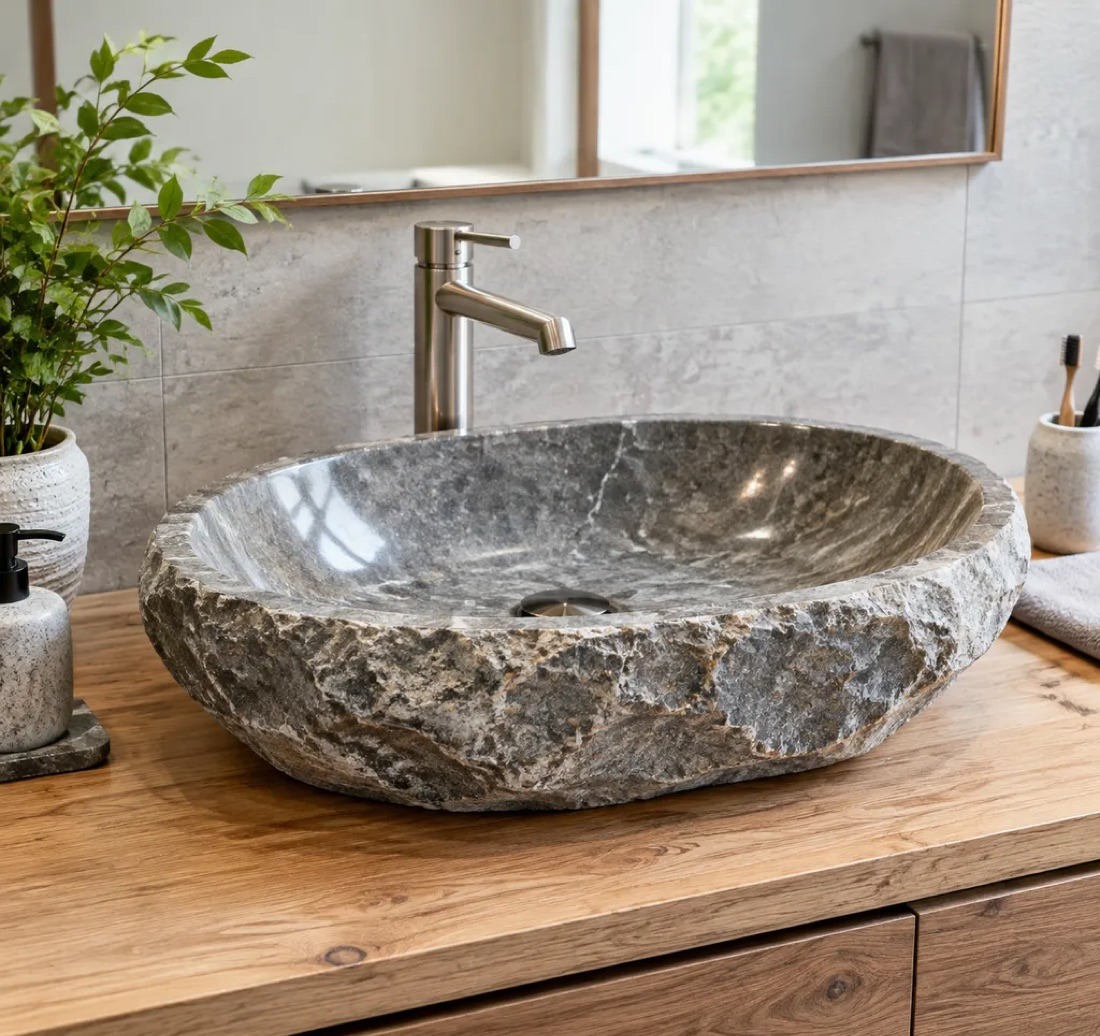
Are you looking to elevate your bathroom with a piece that is as functional as it is breathtaking? Selecting the right natural stone basin isn't just about utility; it’s about making a statement that defines the entire room.
As someone who has navigated countless high-end renovations, I’ve seen how the wrong choice can lead to a maintenance nightmare, while the right piece becomes a timeless centerpiece that actually increases your home's value. From the intricate veining of marble and granite to the raw, organic appeal of travertine, onyx, and soapstone, the options are vast—and, quite frankly, a little overwhelming.
In this guide, I’m cutting through the design fluff to give you the honest truth on durability and longevity, how to properly handle maintenance and care, and the key factors to consider before you commit to a specific style.
If you’re ready to bring the elegance of the earth into your home without the stress, let’s dive in.
Understanding Natural Stone Basins: Features and Appeal
The Unique Aesthetic and Character of Stone
Natural stone basins offer an unrivaled aesthetic, transforming a standard bathroom into a sanctuary of high-end design. Each piece is carved from raw earth elements, ensuring that no two basins are identical. Whether you prefer the dramatic veining of marble or the earthy, muted tones of limestone, the inherent texture and color variations provide a sense of organic luxury that synthetic materials cannot replicate.
Durability and Longevity Benefits
When you invest in a natural stone basin, you are selecting one of the most durable materials available for bathroom fixtures. These basins are built to withstand the rigors of daily use while maintaining their structural integrity for decades. Unlike mass-produced alternatives that may scratch or yellow over time, stone resists high impact and temperature fluctuations, ensuring your investment remains a centerpiece of the bathroom for years.
| Feature | Natural Stone Benefit |
|---|---|
| Composition | Solid, dense, and naturally formed material |
| Resilience | High resistance to impact and thermal shock |
| Aging | Develops a refined patina over time |
| Structural Integrity | Rigid, heavy-duty build quality |
Eco-friendly and Home Value Impact
Choosing natural stone is a sustainable design decision. Because stone is a long-lasting, recyclable, and natural resource, it carries a lower environmental footprint than complex plastic-based composites. Furthermore, the presence of genuine stone in a bathroom is a significant selling point. It signals premium quality to potential buyers, directly enhancing the overall market value of your property through a combination of timeless style and proven longevity.
Popular Types of Natural Stone for Basins
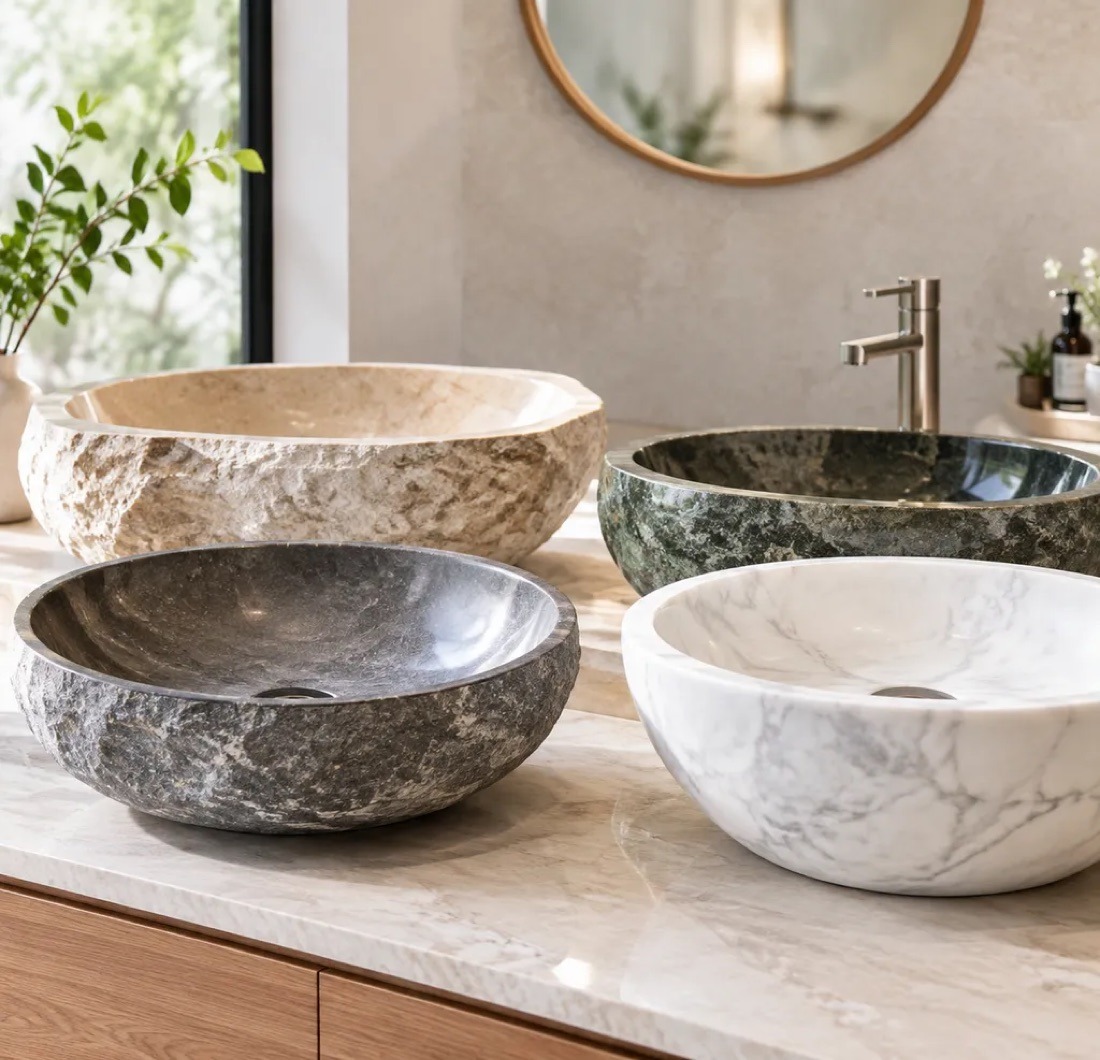
Choosing the right material for your bathroom involves balancing visual appeal with the physical properties of the stone. Whether you are aiming for a classic marble sink or a unique focal point, understanding the characteristics of various stones is essential.
Marble and Granite Options
Marble is favored for its sophisticated veining and timeless elegance, making it a premium choice for high-end bathrooms. Granite, by contrast, is renowned for its exceptional hardness and resistance to heat and scratching.
| Feature | Marble | Granite |
|---|---|---|
| Aesthetic | Elegant, distinct veining | Speckled, granular patterns |
| Durability | Moderate; sensitive to acid | High; very durable |
| Best For | Luxury design statements | High-traffic family bathrooms |
Travertine, Onyx, and Soapstone Characteristics
Beyond standard options, these stones offer distinct textures and light-play properties that can transform a space.
- Travertine: Characterized by its natural pits and organic, earthy tones. A travertine vessel sink creates a rustic, Mediterranean-inspired look that remains warm to the touch.
- Onyx: A translucent stone that allows light to pass through, creating a luminous, high-end effect. An onyx bathroom sink is ideal for statement lighting designs.
- Soapstone: Known for a soft, matte, and silky feel. It is naturally non-porous and highly resistant to chemicals, making it a practical yet stylish choice for a limestone wash basin alternative or custom installation.
For those seeking the visual beauty of stone with enhanced performance, modern stone resin basinsprovide a consistent, non-porous finish that mimics natural materials while offering superior ease of maintenance.
Key Factors for Choosing the Right Natural Stone Basin
Evaluating Material Types and Durability
When selecting a natural stone basin, the density of the material is your primary indicator of performance. Stones like granite are exceptionally hard, offering superior resistance to scratches and chips, making them ideal for high-traffic family bathrooms. Conversely, softer stones like marble or limestone provide a softer, more luxurious finish but require a deeper commitment to protective sealing. Understanding how to choose the right bathroom basin size and tap hole configuration for UK homes is essential to ensure your chosen material integrates perfectly with your plumbing requirements.
Selecting Size, Shape, and Installation Style
The physical footprint of your basin must align with your available vanity or countertop space. For smaller ensuites, a compact vessel sink can create a striking focal point without overwhelming the room. When planning your layout, consider the installation height—most modern stone basins are designed to sit above the counter, which changes the required height of your vanity unit. Whether you opt for a pedestal design, like a stone resin freestanding bathroom basin, or a surface-mounted bowl, ensure the silhouette complements the ergonomics of your daily routine.
Matching Stone Aesthetics to Your Bathroom Interior
A natural stone basin acts as a design anchor, so it is vital to balance the raw texture of the stone with your bathroom’s existing palette. Polished finishes reflect light and suit modern, minimalist spaces, while honed or matte textures offer an organic, spa-like atmosphere that pairs beautifully with wood accents or brushed metallic fixtures. Because every piece of natural stone features unique veining and color variations, your basin will serve as a one-of-a-kind statement piece that brings character to the interior while maintaining a sophisticated, high-end look.
Pros and Cons of Natural Stone Basins
The Advantages of Natural Stone
Investing in a natural stone basin brings an unmatched level of sophistication to any bathroom. These pieces are inherently unique, featuring distinct veining and textures that cannot be replicated by synthetic materials. Beyond their visual appeal, stone basins offer exceptional heat retention and a substantial, high-quality feel that transforms a standard vanity into a luxury statement. For those seeking a modern minimalist aesthetic, a stone resin pedestal rectangular freestanding basin provides the perfect balance of organic charm and contemporary design, ensuring your bathroom space feels both timeless and grounded.
Understanding Maintenance and Installation Challenges
While the elegance of stone is undeniable, it is important to understand the practical considerations that come with the material. Because natural stone can be porous, it often requires regular sealing to prevent staining and water absorption, particularly when exposed to soaps and cosmetics. Additionally, the sheer weight of authentic stone requires professional installation to ensure the supporting structure—whether a wall or a vanity unit—can handle the load safely. If you prefer the aesthetic of a classic marble sink or a rugged stone texture but want to mitigate these challenges, many homeowners choose stone resin alternatives. These engineered options offer the heavy-duty, high-end look of natural materials while providing a non-porous, easier-to-clean surface that remains resilient against daily wear and tear.
Maintenance and Care for Your Stone Basin
Keeping a natural stone basin looking pristine requires a balance of regular attention and the right protective measures. Because stone is a natural material, it responds best to gentle handling and consistent care routines.
Daily Cleaning Best Practices
To maintain the surface, avoid harsh acidic cleaners, vinegar, or abrasive scouring pads, as these can etch or dull the finish over time. Instead, stick to a simple routine:
- Rinse After Use: Always rinse the basin with warm water after every use to prevent soap scum and mineral deposits from hardening.
- Mild Soap: Use a neutral pH cleaner or a small amount of mild dish soap mixed with warm water.
- Soft Cloth Drying: After cleaning, wipe the basin dry with a soft, non-abrasive microfiber cloth. This prevents water spots and mineral buildup, which is particularly important for darker stone surfaces.
- Avoid Harsh Chemicals: Never use bleach, ammonia, or bathroom cleaners containing lemon or vinegar, as these will damage the stone's integrity.
Sealing and Protection Tips
Natural stone is inherently porous, making sealing the most critical step in its long-term maintenance. When you invest in a quality basin, applying a high-quality, stone-specific sealer creates an invisible barrier against moisture, oils, and stains.
- Initial Application: Ensure your stone basin is properly sealed upon installation. If you are comparing options, you may find that some modern stone resin alternatives provide a non-porous finish that reduces the need for frequent sealing.
- Regular Re-sealing: Depending on usage, re-apply a stone-safe impregnating sealer every 6 to 12 months. You can test if your basin needs resealing by dropping a small amount of water on the surface; if it beads up, the seal is intact. If it absorbs quickly, it is time for a new coat.
- Preventive Care: Place toiletries and cosmetic bottles on a tray rather than directly on the basin rim to prevent chemical reactions or staining from spilled products.
Frequently Asked Questions About Natural Stone Basins
Are natural stone basins difficult to maintain?
Maintaining a natural stone basin is not difficult, provided you follow a consistent routine. Unlike standard ceramic, stone surfaces benefit from gentle, non-abrasive cleaning agents. Because stone is a durable, long-lasting material, simple daily wiping with a soft cloth and mild soap is usually sufficient to preserve its original finish and luster.
Do stone basins stain easily?
While natural stone is inherently dense and sturdy, certain porous varieties can be susceptible to staining if left unprotected. It is important to remember that harsh chemicals, acidic cleaners, and prolonged contact with dyes can affect the surface. You can learn more about how to protect your investment by reviewing our guide on whether hair dye stains stone resin basins. Regular sealing ensures the stone remains resistant to moisture and surface discoloration.
Can I install a natural stone basin myself?
Installing a natural stone basin requires careful handling due to the weight and density of the material. While DIY installation is possible for those with experience in plumbing and bathroom renovations, precision is required to ensure a watertight seal, especially when fitting a heavy stone counter top basin. If you are not confident in handling structural mounting or heavy-duty plumbing connections, consulting a professional is always the safest way to ensure your basin is level, secure, and fully functional.
Durovin Bathrooms are based in Walsall, UK and a bathroom supplier to mainland UK. We sell a wide range of products for anyone to improve their bathrooms.
Read More About UsAddress
Unit 14 Bentley Lane Industrial Park, Bentley Lane, Walsall, WS2 8TL
E-Mail us
info@durovinbathrooms.co.ukPhone
01922 627 773© Durovin Bathrooms® 2025